There are no items in your cart
Add More
Add More
| Item Details | Price | ||
|---|---|---|---|

Savings matter for both the short run and the long run. We save to travel, to buy something we’ve been dreaming of, and for rainy days.
Savings matter for both the short run and the long run. We save to travel, to buy something we’ve been dreaming of, and for rainy days.
Here’s a clear look at the difference between short-term and long-term savings and how to explain both to your kids. We’ll also then look at how FinFun can be a part of this journey for your child.
Short-term savings: For the smaller moments
Short-term savings are for nearer, smaller goals. Maybe you’ve been eyeing a fancy bag in a pop colour. It’s not a necessity but a personal want. You can save for this bag by putting a small amount aside each month until you reach your goal.
For short-term goals you don’t necessarily need a bank account. It can be as simple as keeping money in a tin.
Explaining short-term savings to kids:
Use a simple analogy. If your child wants a toy, tell them they can buy it by saving a small amount of pocket money each month. Give them a separate box or jar for that goal so they can track progress visually. Use real-world family examples, like saving for a movie night, to make it relatable.
Long-term savings: For being future-ready
Long-term savings, as the name suggests, are for the future. You might save for a big purchase or keep money aside for emergencies. These fall into two categories:Long-term savings for needs: An emergency fund is not optional, it’s essential. Economic crises, job loss, and unexpected events are out of our control, so having a reserve matters. A common rule of thumb is to save enough to cover 3–6 months of expenses.
Long-term savings for wants: Big life goals like buying a house, a dream car, or travelling abroad require planning and saving. For these goals, a separate savings account or a designated fund helps you stay on track until you hit the milestone.
Explaining long-term savings to kids:
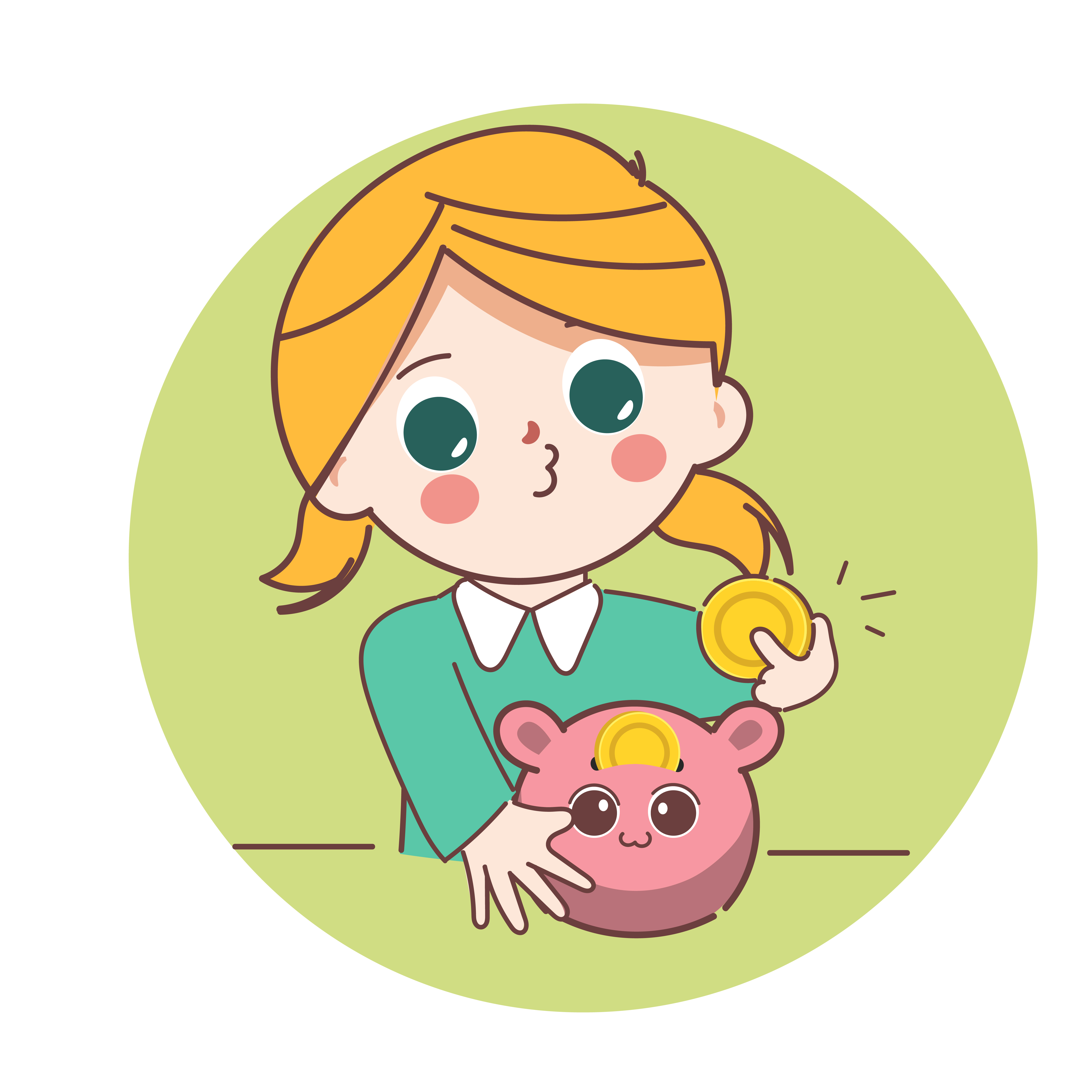
Use a growth analogy: a tree starts from a seed and, with care over time, becomes a big tree. That illustrates patience and steady effort. Many banks offer kids’ savings accounts. Having a savings account early on lets children learn both long-term saving and basic banking skills.
How FinFun can help
At FinFun, we offer activity sheets, books, and workshops that teach kids about short-term and long-term savings in a hands-on way. Get in touch to help your child build strong money habits early.
Images taken from Magnific
 Launch your Graphy